Simplified Summary
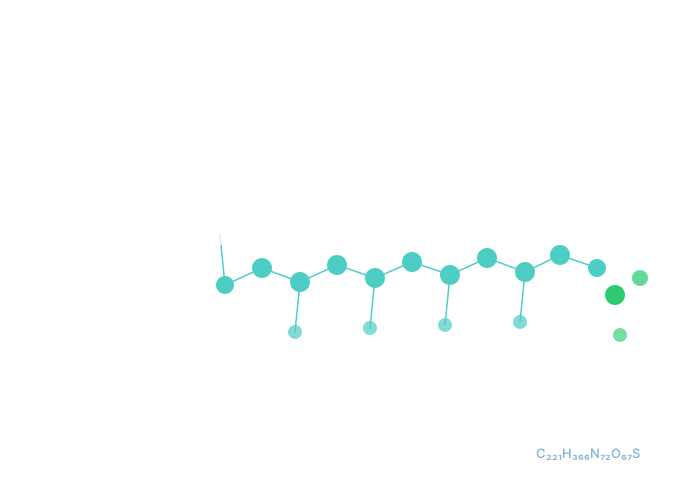
Tesamorelin is a synthetic peptide analog modeled after growth hormone-releasing hormone (GHRH) and has been widely examined in preclinical research for its role in regulating growth hormone dynamics and associated metabolic processes. Structurally, it consists of a stabilized chain of amino acids designed to mimic endogenous signaling while improving resistance to enzymatic degradation in experimental environments. Unlike naturally occurring peptides, Tesamorelin is fully synthetic, allowing for more consistent investigation under controlled laboratory conditions.
Across in vitro and animal-based studies, Tesamorelin has been explored for its interaction with the hypothalamic-pituitary axis, particularly in relation to growth hormone secretion and downstream signaling pathways. Research has focused on how it may influence insulin-like growth factor pathways, lipid metabolism, and regulatory feedback loops involved in energy balance. These investigations often examine receptor binding activity, signal transduction mechanisms, and the broader metabolic effects observed in controlled experimental models.
In addition to its endocrine-related activity, Tesamorelin has been evaluated in research settings for its potential involvement in body composition dynamics and metabolic regulation. Preclinical findings have explored its interaction with pathways associated with fat metabolism, glucose regulation, and hormonal signaling, particularly in models designed to assess changes in adipose tissue and systemic metabolic responses.
To support consistent experimental outcomes, Tesamorelin is synthesized with modifications that enhance its stability and bioavailability in laboratory studies. All findings referenced are derived exclusively from non-clinical research. There are no established conclusions regarding human safety, pharmacokinetics, dosing, or therapeutic applications, and all observations remain within the scope of ongoing scientific investigation.
Key Findings Reported in Preclinical Models
- Neuronal and cellular systems: Tesamorelin has been investigated in cellular and tissue-based models focused on endocrine signaling. Experimental exposure in vitro has been associated with activation of pathways linked to growth hormone release and intracellular signaling cascades, including those involved in protein synthesis and metabolic regulation. Some findings suggest interactions with signaling networks that influence cellular energy balance and anabolic processes under controlled laboratory conditions.
- Growth hormone and endocrine axis models: In animal-based studies, Tesamorelin has been examined for its role in stimulating growth hormone release through interaction with receptors in the hypothalamic-pituitary system. Observations in these models often focus on downstream effects, including changes in insulin-like growth factor (IGF-1) signaling and feedback mechanisms that regulate endocrine homeostasis.
- Metabolic and lipid-regulation models: Preclinical research suggests that Tesamorelin may influence pathways associated with lipid metabolism and adipose tissue dynamics. Experimental models have explored its potential effects on fat distribution, lipid mobilization, and enzymatic activity related to metabolic processing, particularly in studies assessing energy utilization and storage.
- Glucose and insulin signaling studies: Tesamorelin has also been evaluated in models examining glucose metabolism and insulin-related pathways. Findings indicate potential interactions with signaling mechanisms involved in glucose uptake, insulin sensitivity, and metabolic homeostasis, though these effects remain under investigation in non-clinical settings.
- Neuroendocrine system studies: Research has explored Tesamorelin's interaction with neuroendocrine signaling pathways, particularly those governing hormone secretion and regulatory feedback loops. Studies often assess its influence on hypothalamic activity and its role in coordinating endocrine responses within controlled experimental frameworks.
- Gene expression and biochemical pathway analysis: Molecular analyses in preclinical models indicate that Tesamorelin may affect gene expression related to growth, metabolism, and hormonal signaling. Biochemical assays have explored its role in modulating enzymatic activity and intracellular pathways associated with anabolic regulation and energy balance.
- Peptide stability and laboratory formulation research: To enhance experimental consistency, Tesamorelin has been synthesized with structural modifications that improve stability and resistance to enzymatic degradation. These formulations allow researchers to better observe its biological activity across controlled studies, supporting reproducibility in preclinical investigations.
Introduction
Tesamorelin research sits at the intersection of peptide biology, endocrine regulation, and metabolic signaling within controlled experimental models. Peptides that influence hormonal pathways are increasingly viewed not as isolated messengers, but as coordinated regulators of complex physiological networks—particularly those involving the hypothalamic-pituitary axis. In preclinical research, disruptions in these systems are often associated with altered growth hormone dynamics, metabolic imbalance, and changes in energy regulation.
Within this context, Tesamorelin has drawn scientific attention as a synthetic analog of growth hormone-releasing hormone (GHRH), designed to interact with receptors involved in stimulating growth hormone secretion. Unlike endogenous peptides, Tesamorelin is engineered for enhanced stability and consistency in laboratory settings, allowing researchers to more precisely examine its activity. Early investigations have focused on its interaction with pituitary signaling pathways, as well as its downstream influence on insulin-like growth factor (IGF-1) and related endocrine feedback systems in experimental models.
As research has progressed, Tesamorelin has been explored across a broader range of preclinical contexts, including metabolic regulation, adipose tissue dynamics, and glucose-related signaling. Studies often examine how it may influence receptor-level interactions, intracellular signaling cascades, and hormonal feedback mechanisms tied to growth and energy balance. These investigations aim to better understand how peptide-driven modulation of the endocrine system may affect physiological processes under controlled conditions.
Despite ongoing interest, Tesamorelin research remains within the scope of non-clinical investigation. Variability in experimental design, model selection, and peptide formulation underscores the need for careful interpretation of findings. Continued research seeks to clarify how Tesamorelin interacts with endocrine and metabolic pathways, contributing to a deeper understanding of growth hormone regulation and systemic physiological balance in laboratory environments.
Molecular Origin & Structural Characteristics
Tesamorelin is a synthetic peptide analog derived from growth hormone-releasing hormone (GHRH), specifically engineered to replicate and enhance the activity of endogenous signaling peptides involved in growth hormone regulation. Structurally, it consists of a modified amino acid sequence designed to maintain biological activity while improving resistance to enzymatic degradation in experimental settings. Unlike naturally occurring peptides, Tesamorelin incorporates targeted substitutions that increase its stability and prolong its functional presence in laboratory models.
From a structural perspective, Tesamorelin retains the core functional domains necessary for receptor interaction while including modifications that support consistent binding affinity in controlled environments. Its sequence is optimized to interact with GHRH receptors located primarily within the anterior pituitary, enabling researchers to examine downstream signaling pathways with greater precision. These structural enhancements distinguish it from shorter or less stable peptides, allowing for more reproducible outcomes across preclinical studies.
Structure-function analyses suggest that Tesamorelin's activity depends on maintaining the integrity of its full peptide chain, particularly the regions responsible for receptor recognition and activation. Experimental modifications to its sequence have demonstrated that even minor alterations may influence receptor binding efficiency and signaling strength. As a result, standardized formulations are commonly used in laboratory research to ensure consistency in experimental observations.
Unlike endogenous peptides that may have variable synthesis and distribution patterns, Tesamorelin is typically introduced into experimental systems through controlled administration. Its molecular design supports predictable interaction with endocrine pathways, particularly those associated with growth hormone release and regulatory feedback mechanisms. Research has also explored its distribution and activity within systemic models, focusing on how it engages with hormone-driven signaling networks under defined conditions.
Compared to naturally occurring peptides with less structural optimization, Tesamorelin represents a purpose-built molecule with enhanced stability and targeted biological activity. Ongoing preclinical research continues to investigate how its sequence, receptor affinity, and biochemical properties contribute to its observed effects on endocrine and metabolic processes.
Mechanistic Insights & Cellular Targets
Preclinical investigations suggest that Tesamorelin interacts with a defined network of endocrine and metabolic pathways, primarily through its role as a growth hormone-releasing hormone analog. Unlike modulatory peptides with diffuse activity, Tesamorelin is generally understood to exert its effects through receptor-mediated mechanisms, particularly involving GHRH receptors in the pituitary. Its activity has been studied across in vitro systems and animal models examining hormone signaling, metabolic regulation, and cellular response pathways.
Growth Hormone Receptor Activation
Tesamorelin has been shown to bind to GHRH receptors, initiating signaling cascades that stimulate the synthesis and release of growth hormone in experimental models. This receptor-mediated interaction activates intracellular pathways, including cyclic AMP (cAMP) signaling, which plays a central role in endocrine regulation.
Endocrine and Hormonal Feedback Systems
A key area of Tesamorelin research involves its influence on the hypothalamic-pituitary axis and downstream hormonal feedback loops. Preclinical studies have examined its relationship with insulin-like growth factor (IGF-1) signaling and how these pathways contribute to maintaining endocrine balance under controlled conditions.
Metabolic and Lipid Signaling Pathways
Tesamorelin has been explored for its role in metabolic regulation, particularly in pathways associated with lipid metabolism and adipose tissue dynamics. Experimental findings suggest that it may influence enzymatic processes involved in fat mobilization and energy utilization, though these effects remain under investigation.
Glucose Regulation and Insulin Signaling
Research has also examined Tesamorelin's interaction with glucose metabolism and insulin-related pathways. Observations in preclinical models suggest potential involvement in signaling mechanisms that regulate glucose uptake and metabolic homeostasis, particularly in systems influenced by growth hormone activity.
Gene Expression and Cellular Activity
Molecular studies indicate that Tesamorelin may affect gene expression related to growth, metabolism, and cellular signaling. Changes in transcriptional activity observed in experimental models are often associated with downstream effects of growth hormone and IGF-1 pathways, though direct versus indirect mechanisms continue to be explored.
Peptide Stability and Metabolic Processing
Due to its engineered structure, Tesamorelin demonstrates increased resistance to enzymatic breakdown compared to non-modified peptides. Research has examined how these modifications influence its persistence and activity within biological systems, including interactions with peptide-processing enzymes in experimental settings.
Systemic Distribution and Target Interaction
Tesamorelin has been evaluated in preclinical models for its distribution across endocrine systems, with particular focus on its activity within the pituitary and peripheral tissues influenced by growth hormone signaling. Its effects are typically studied in relation to systemic metabolic and hormonal responses rather than localized neural pathways.
Context-Dependent Effects
Importantly, the observed activity of Tesamorelin varies depending on experimental conditions, including dosage, administration protocols, and the metabolic state of the model system. Current evidence supports a framework in which Tesamorelin acts through structured endocrine pathways, influencing interconnected signaling networks involved in growth hormone regulation and metabolic balance—strictly within non-clinical research contexts.
Preclinical Research Landscape
The preclinical research landscape surrounding Tesamorelin reflects sustained scientific interest in peptides that regulate endocrine signaling and metabolic processes. As a synthetic analog of growth hormone-releasing hormone (GHRH), Tesamorelin has been studied across a range of experimental systems, including in vitro cellular models, animal-based metabolic studies, endocrine pathway investigations, and molecular analyses. Collectively, these approaches contribute to a growing—yet still evolving—body of evidence, with variability in experimental design, peptide formulation, and interpretation of findings.
In Vitro Experimental Systems
Cell-based models serve as a foundational component of Tesamorelin research. Endocrine and pituitary-derived cell cultures have been utilized to examine its interaction with growth hormone-releasing pathways and intracellular signaling mechanisms. In these controlled environments, Tesamorelin exposure has been associated with activation of signaling cascades linked to cyclic AMP (cAMP), gene expression related to growth regulation, and markers of metabolic activity.
Additional in vitro systems include hepatocyte and adipocyte models, where Tesamorelin has been evaluated for its potential influence on lipid metabolism, glucose signaling, and cellular energy balance. As with many peptide-focused studies, outcomes are highly dependent on experimental variables such as concentration, exposure duration, and cell type, contributing to variability across reported findings.
Endocrine and Growth Hormone Models
Animal-based studies examining endocrine function represent a central area of Tesamorelin research. These models often focus on its interaction with the hypothalamic-pituitary axis, particularly its ability to stimulate growth hormone release and influence downstream signaling pathways such as insulin-like growth factor (IGF-1). Observations are frequently paired with biochemical measurements to assess hormonal fluctuations and feedback regulation under controlled conditions.
Metabolic and Body Composition Models
Tesamorelin has been extensively explored in preclinical models designed to assess metabolic regulation and adipose tissue dynamics. These studies often investigate changes in lipid metabolism, fat distribution, and enzymatic activity associated with energy utilization. Experimental findings suggest potential interactions with pathways involved in fat mobilization and storage, particularly in models evaluating systemic metabolic responses.
Glucose and Insulin Signaling Models
A growing body of research examines Tesamorelin in the context of glucose metabolism and insulin-related signaling. Experimental models have evaluated its potential role in influencing glucose uptake, insulin sensitivity, and broader metabolic homeostasis. These investigations are often conducted alongside endocrine studies to better understand the interconnected nature of hormonal and metabolic regulation.
Molecular and Biochemical Investigations
At the molecular level, Tesamorelin has been studied for its interaction with intracellular signaling pathways and gene expression networks associated with growth and metabolism. Research has explored its influence on enzymatic activity, transcriptional regulation, and peptide-processing systems, aiming to clarify how it contributes to cellular communication and endocrine function in experimental settings.
Methodological Variability and Limitations
Despite continued research interest, the Tesamorelin literature exhibits variability in methodology. Studies differ in peptide synthesis, stabilization techniques, dosing protocols, administration routes, and selected endpoints. These differences can influence experimental outcomes and limit direct comparability across studies.
Importantly, all findings referenced are derived exclusively from non-clinical research. There are no established conclusions regarding human safety, pharmacokinetics, dosing, or therapeutic applications within this context. Tesamorelin remains an investigational compound, primarily used as a research tool to explore mechanisms related to growth hormone regulation, metabolic signaling, and endocrine system dynamics under controlled laboratory conditions.
Safety Considerations & Research Limitations
All currently available data on Tesamorelin within this context are derived from preclinical research, including in vitro experiments and animal-based models. While the peptide has been structurally optimized for stability and consistency in laboratory settings, its behavior under controlled experimental conditions does not establish a complete profile of safety, pharmacokinetics, biodistribution, or long-term biological effects in broader contexts. Key parameters—such as dose-response relationships, metabolic pathways, tissue-specific distribution, and prolonged exposure outcomes—remain areas of ongoing investigation. Interpretations of Tesamorelin's activity should therefore remain confined strictly to non-clinical research environments.
Several limitations characterize the current research landscape. Study outcomes often vary depending on experimental design, model selection, peptide formulation, and method of administration. Differences in endocrine assays, metabolic measurements, and model conditions—such as baseline hormonal status or induced metabolic changes—can significantly influence results. This variability makes direct comparison across studies challenging and limits the ability to draw uniform conclusions.
Peptide formulation and stability also play a critical role. Although Tesamorelin is engineered to resist enzymatic degradation more effectively than non-modified peptides, differences in synthesis, storage conditions, and delivery protocols may still impact its biological activity in experimental systems. Even minor variations in preparation or handling can alter receptor interaction dynamics and downstream signaling outcomes.
Context-dependent responses further add complexity. Tesamorelin is commonly associated with modulation of growth hormone pathways and metabolic signaling in preclinical models; however, observed effects may differ based on factors such as species, metabolic state, and experimental objectives. In some cases, results may appear inconsistent or vary in magnitude depending on the biological system being studied, underscoring the importance of controlled conditions and standardized methodologies.
The broader body of research may also be influenced by publication bias, where studies reporting statistically significant findings are more likely to be disseminated than those with neutral or inconclusive results. Additionally, limited replication across independent laboratories can restrict validation and reduce confidence in generalizing findings across different experimental settings.
Taken together, these considerations highlight that Tesamorelin remains an investigational compound within preclinical science. Notable gaps persist in safety evaluation, mechanistic clarity, and translational applicability. Continued research is necessary before any conclusions can extend beyond foundational experimental inquiry.
Conclusion
Tesamorelin represents a focused area of investigation within preclinical research centered on endocrine regulation, growth hormone signaling, and metabolic processes. As a synthetic analog of growth hormone-releasing hormone (GHRH), it has been studied across a range of experimental systems, including hormone-regulation models, metabolic and adipose tissue studies, and molecular-level analyses. Its engineered structure and targeted receptor activity distinguish it from endogenous peptides, positioning it as a valuable tool for examining how peptide-based signaling influences complex physiological networks.
Across in vitro systems and animal models, Tesamorelin has been associated with interactions involving growth hormone pathways, insulin-like growth factor signaling, and metabolic regulation. These findings suggest that its activity is largely mediated through structured endocrine mechanisms, particularly those linked to hypothalamic-pituitary function and downstream hormonal feedback systems. Recurring areas of research—such as its influence on metabolic balance, lipid-related pathways, and hormonal signaling—highlight its relevance in experimental studies of systemic regulation.
At the same time, the Tesamorelin research landscape presents important limitations. All available data within this context remain confined to preclinical settings, with variability in experimental design, peptide formulation, and study conditions. Differences in methodology, biological models, and outcome measures limit direct comparability across studies, and independent replication remains limited. There are no established conclusions regarding safety, pharmacokinetics, dosing, or broader applications beyond controlled experimental environments.
Accordingly, Tesamorelin should be regarded as an investigational compound that contributes to the foundational understanding of endocrine and metabolic regulation within laboratory research. While it offers valuable insight into growth hormone-related signaling pathways, significant gaps remain in mechanistic detail and broader applicability, underscoring the need for continued, systematic investigation.
References
- Falutz, J., et al. (2010). Effects of tesamorelin (TH9507), a growth hormone-releasing factor analog, in HIV-infected patients with excess abdominal fat: A pooled analysis of randomized controlled trials. Journal of Clinical Endocrinology & Metabolism.
- Stanley, T. L., et al. (2010). Effects of a growth hormone-releasing hormone analog (tesamorelin) on endogenous GH secretion and metabolic parameters. Journal of Clinical Endocrinology & Metabolism.
- Stanley, T. L., et al. (2014). Effect of tesamorelin on visceral and liver fat in HIV-infected patients. JAMA.
- Clemmons, D. R., et al. (2017). Safety and metabolic effects of tesamorelin, a growth hormone-releasing hormone analog. PLoS ONE.
- Adrian, S., et al. (2019). Tesamorelin decreases muscle fat and increases muscle area in adults with HIV. Journal of Frailty & Aging.
- Mangili, A., et al. (2015). Predictors of treatment response to tesamorelin in HIV-associated lipodystrophy. PLoS ONE.
- Falutz, J., et al. (2007). Metabolic effects of a growth hormone-releasing factor analog in patients with HIV-associated lipodystrophy. New England Journal of Medicine.
- Adrian, S. (2018). The growth hormone-releasing hormone analogue tesamorelin and its metabolic effects. Journal of Frailty & Aging.
- Wang, Y., & Tomlinson, B. (2009). Tesamorelin: A synthetic growth hormone-releasing factor analog for metabolic regulation. Expert Review of Anti-infective Therapy.
- LiverTox (NCBI). (2018). Tesamorelin: Mechanism, metabolism, and clinical overview.
- DrugBank. (n.d.). Tesamorelin: Mechanism of action and pharmacological profile.
For research use only. Capital Peptides products are not approved by the TGA for therapeutic use. By purchasing you confirm you are a licensed research entity or qualified professional.