Loading
Loading
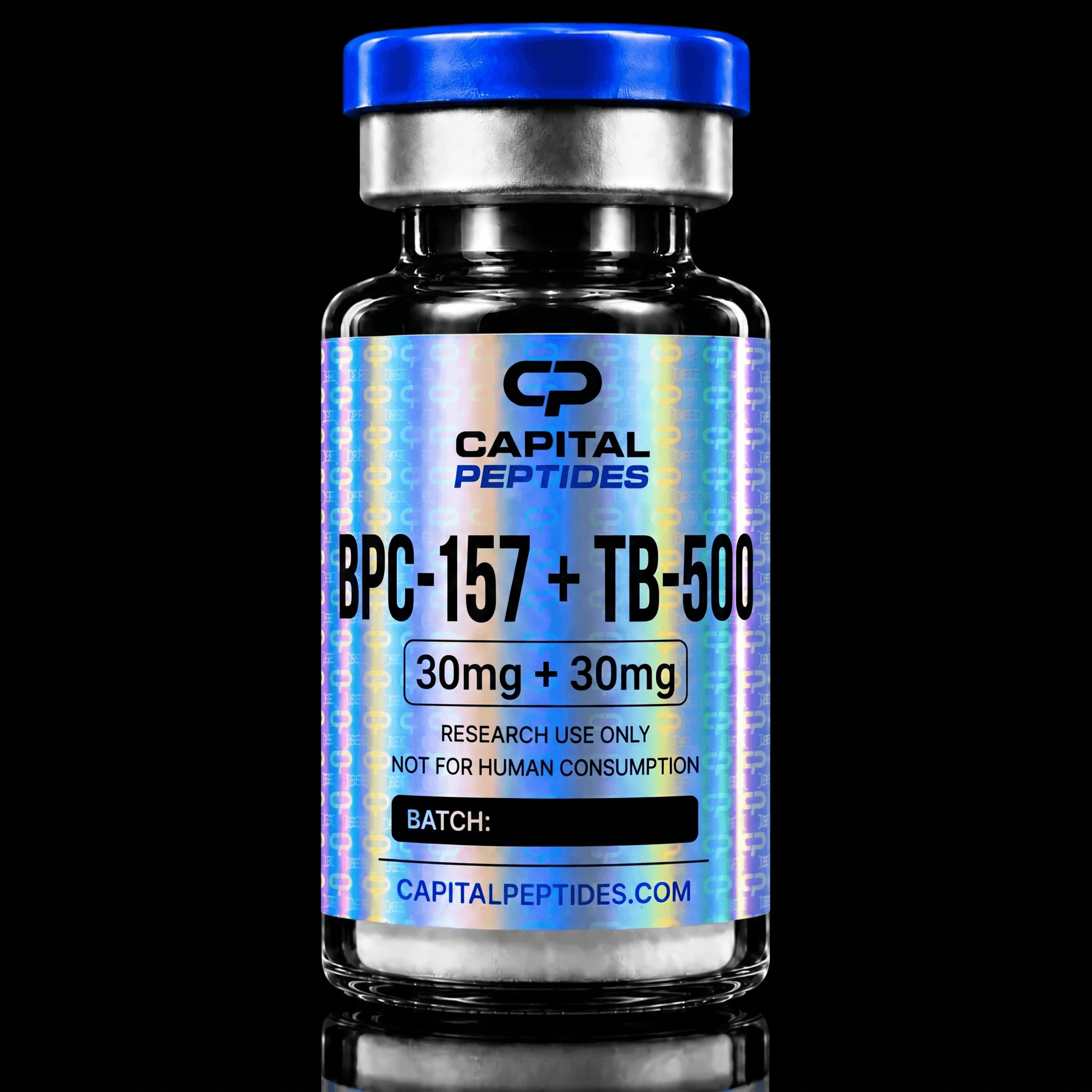
Tissue Repair & Recovery · 30mg + 30mg
Choose dose
Janoshik-tested · 10 vials per kit
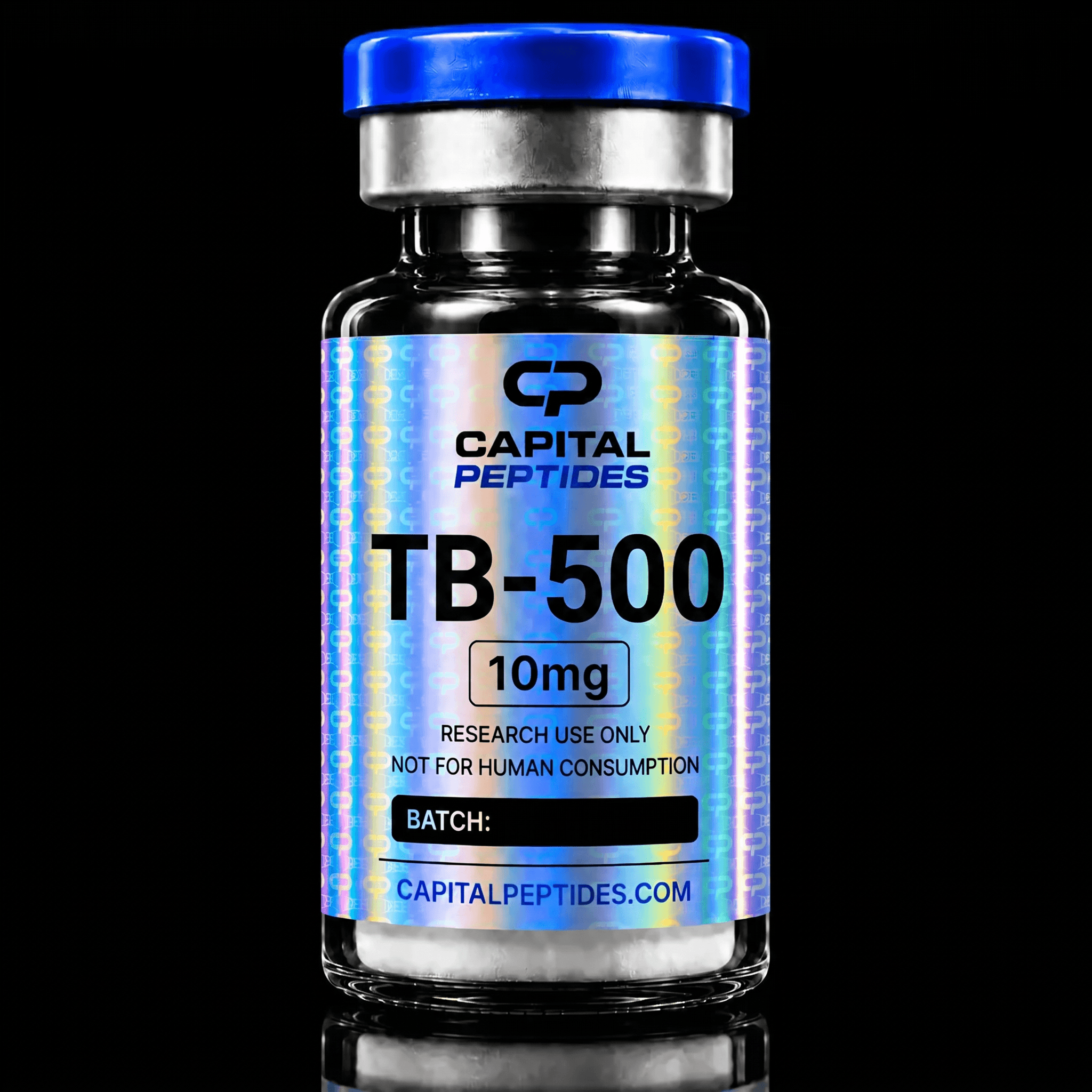
BPC-157 + TB-500 is a research blend combining two well-studied peptides studied in preclinical research for their synergistic tissue repair properties. BPC-157 supports tissue healing through angiogenesis, neuroprotection, and gastrointestinal mucosal integrity. TB-500, a synthetic analog of Thymosin Beta-4, enhances cell migration, proliferation, and differentiation. Research has examined their combined potential for additive effects in tissue repair, anti-inflammation, and angiogenesis.
Blended compound — purity note
Peptide blends are not tested for combined purity as a single compound. However, every component is sourced from the same supplier as our individual peptide products, all of which carry valid Janoshik Analytical COAs. Those certificates apply equally to the same peptides in this blend. View individual COAs →
≥98%
Purity
Lyophilised
Format
2–3 wks
Arrival
Don't want to wait 3 weeks?
Check local stock — weekday same/next-day delivery available.
Need to work out your dose?
Use our reconstitution calculator — syringe units in seconds.
Research Use Only — Disclaimer
This product is intended solely as a research chemical for laboratory and scientific study purposes only. It is not approved by the TGA or any regulatory body for human or animal consumption, therapeutic use, or clinical application. The information provided on this website is for educational purposes only. Handling must be limited to suitably qualified professionals operating within applicable laws and regulations. This product is not classified as a drug, food, cosmetic, or medicinal product and must not be used or labelled as such. By purchasing, you confirm you are a qualified research professional and accept full responsibility for compliance with all relevant laws in your jurisdiction.
BPC-157
Body Protection Compound 157
BPC-157 is a synthetic pentadecapeptide (15 amino acids) derived from a sequence within a protective protein found in gastric juice. First described in the 1990s by researchers at the University of Zagreb, it has been studied across a broad range of preclinical models for regenerative and cytoprotective properties. Unlike many peptides it appears stable in both aqueous solution and gastric acid, facilitating study across multiple administration routes.
BPC-157 modulates multiple signalling pathways relevant to tissue repair. It upregulates VEGFR2 and promotes angiogenesis — the formation of new blood vessels required for healing. It also activates the FAK-paxillin pathway, which governs cytoskeletal organisation and cell migration. Additionally, BPC-157 influences nitric oxide (NO) synthesis and interacts with dopaminergic and serotonergic systems, which may account for its gastrointestinal and neuroprotective observations.
Preclinical studies have explored BPC-157 in models of tendon and ligament injury, gut barrier dysfunction, gastric ulceration, bone fracture healing, peripheral nerve repair, and anti-inflammatory activity. It has been co-studied with TB-500 (Thymosin Beta-4) in blended formulations for tissue recovery models. All published data to date is in animal or in vitro models; no human clinical trials have been published.
Key References
For research reference only. All information pertains to preclinical or published human trial data. Not intended as medical advice. This product is for research use only.
Don't have supplies? Grab them while you're here.