Loading
Loading
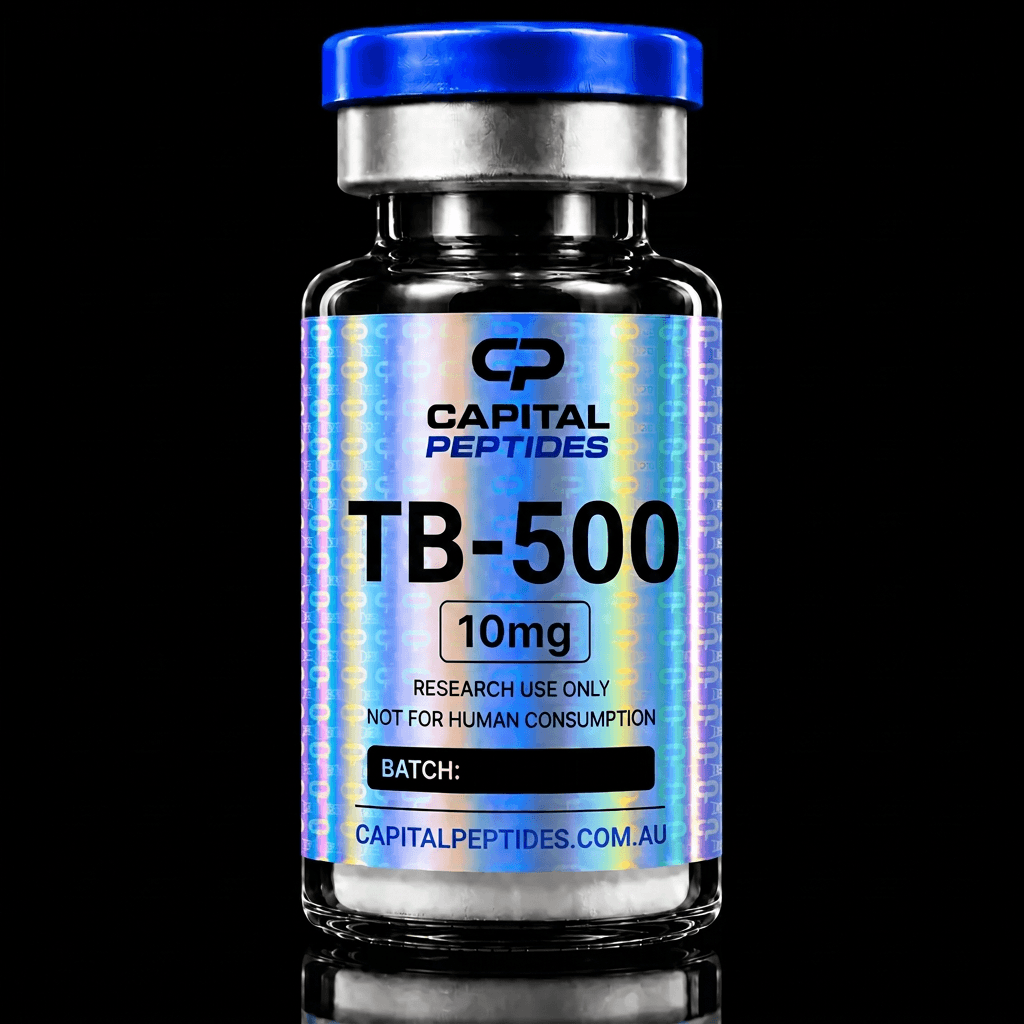
Tissue Repair & Recovery · 10mg
Choose dose
Janoshik-tested · 10 vials per kit
TB-500 is a synthetic analog of Thymosin Beta-4 studied in preclinical research for its tissue repair and regeneration properties. Research has examined its potential to regulate actin dynamics, stimulate cell migration, proliferation, and differentiation, and accelerate wound healing through enhanced collagen deposition and reduced scar formation. Studies have also explored anti-inflammatory and anti-fibrotic applications, and cardiovascular support through angiogenesis promotion and cardiomyocyte protection.
≥98%
Purity
Lyophilised
Format
2–3 wks
Arrival
Don't want to wait 3 weeks?
Check local stock — weekday same/next-day delivery available.
Chemical Properties
Need to work out your dose?
Use our reconstitution calculator — syringe units in seconds.
Research Use Only — Disclaimer
This product is intended solely as a research chemical for laboratory and scientific study purposes only. It is not approved by the TGA or any regulatory body for human or animal consumption, therapeutic use, or clinical application. The information provided on this website is for educational purposes only. Handling must be limited to suitably qualified professionals operating within applicable laws and regulations. This product is not classified as a drug, food, cosmetic, or medicinal product and must not be used or labelled as such. By purchasing, you confirm you are a qualified research professional and accept full responsibility for compliance with all relevant laws in your jurisdiction.
TB-500
Thymosin Beta-4 Fragment
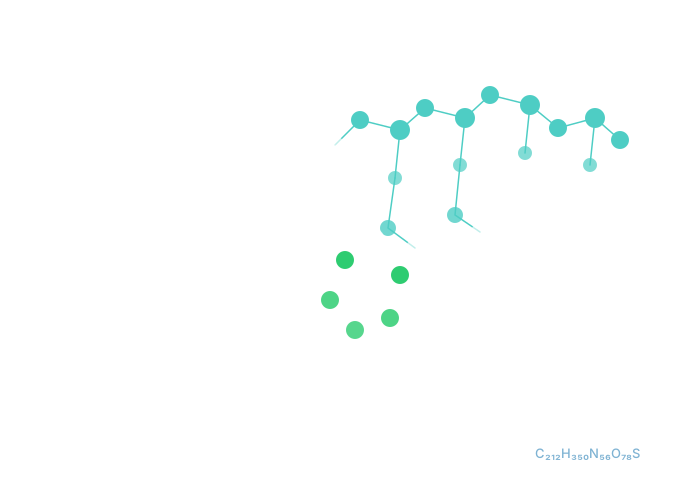
TB-500 is a synthetic peptide derived from the active region of Thymosin Beta-4 (Tβ4), a naturally occurring 43-amino-acid peptide expressed in virtually all nucleated human cells. Tβ4 was first isolated from thymus tissue in 1966 and is among the most abundant intracellular peptides in the body. Research into TB-500 focuses on the key LKKTETQ actin-binding motif responsible for most of the biological activity observed in Tβ4 studies.
The primary mechanism is G-actin sequestration: TB-500 binds monomeric (G-) actin, regulating the actin polymerisation-depolymerisation equilibrium critical for cell motility and migration. It also promotes angiogenesis through upregulation of VEGF, KGF, and HGF, and reduces expression of inflammatory cytokines including TNF-α and IL-8. Interaction with integrin-linked kinase (ILK) at the cell surface further contributes to its role in promoting survival and differentiation.
TB-500 has been studied in preclinical models of wound healing, cardiac repair (myocardial infarction models), tendon injury, dry eye syndrome, and hair follicle activation. It is frequently studied in combination with BPC-157, where the two peptides appear to have complementary rather than overlapping mechanisms. Research also suggests Tβ4 may reduce fibrosis formation during the healing process.
Key References
For research reference only. All information pertains to preclinical or published human trial data. Not intended as medical advice. This product is for research use only.
Don't have supplies? Grab them while you're here.
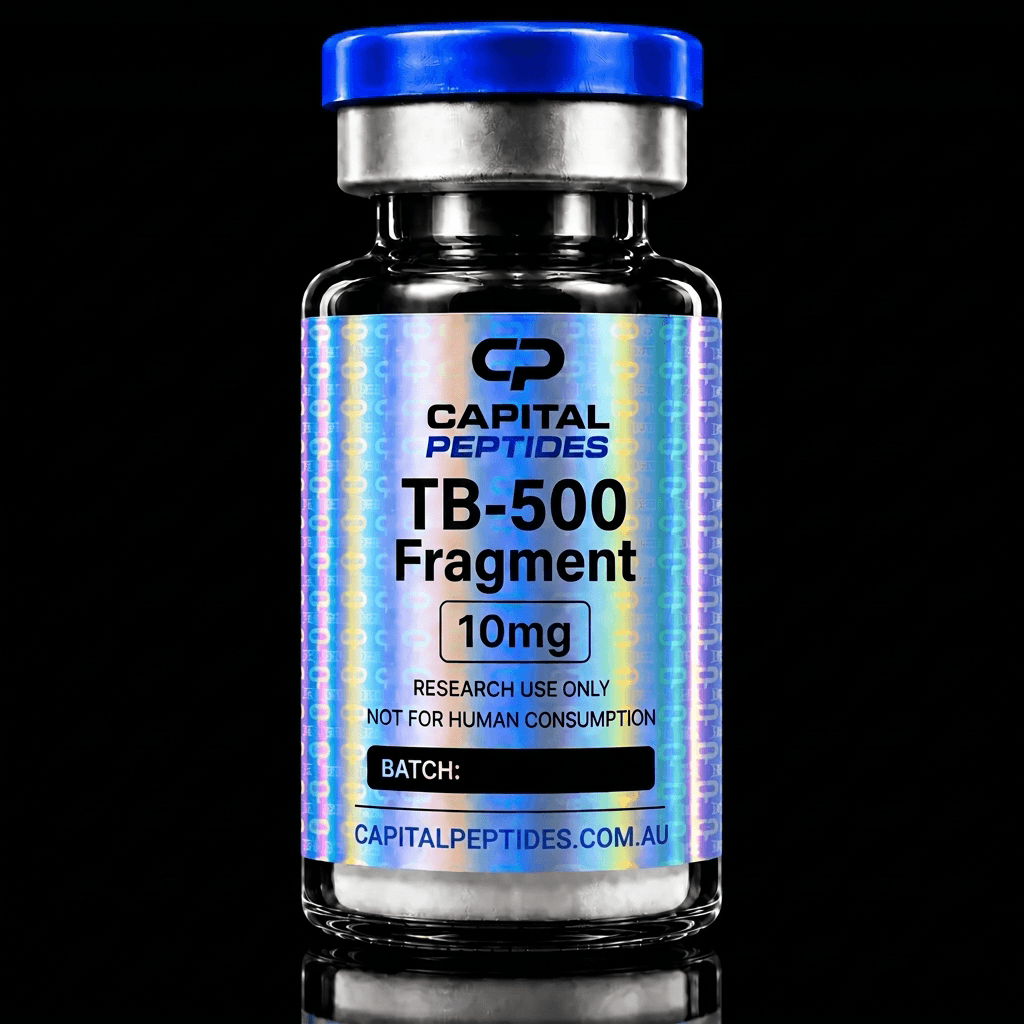
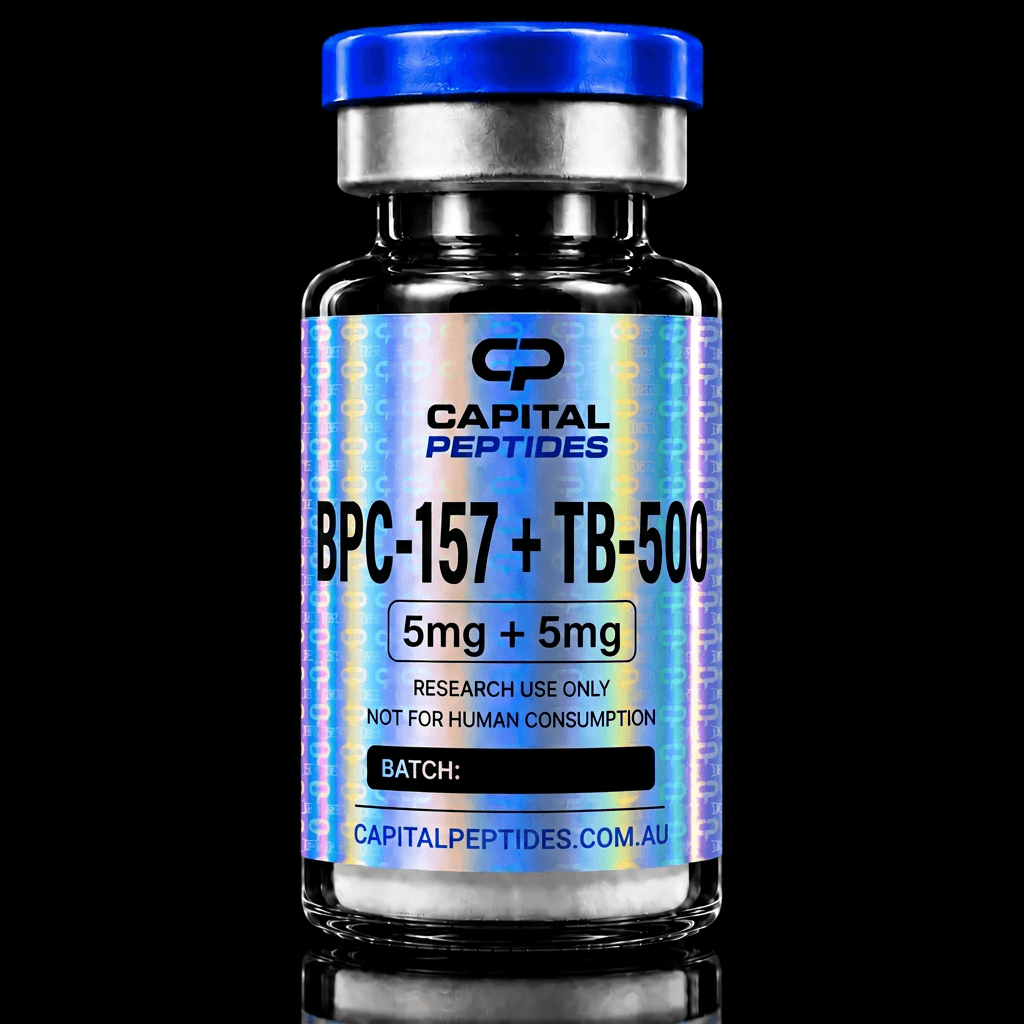
5mg + 5mg· LYOPHILISED · COA ON FILE