Loading
Loading
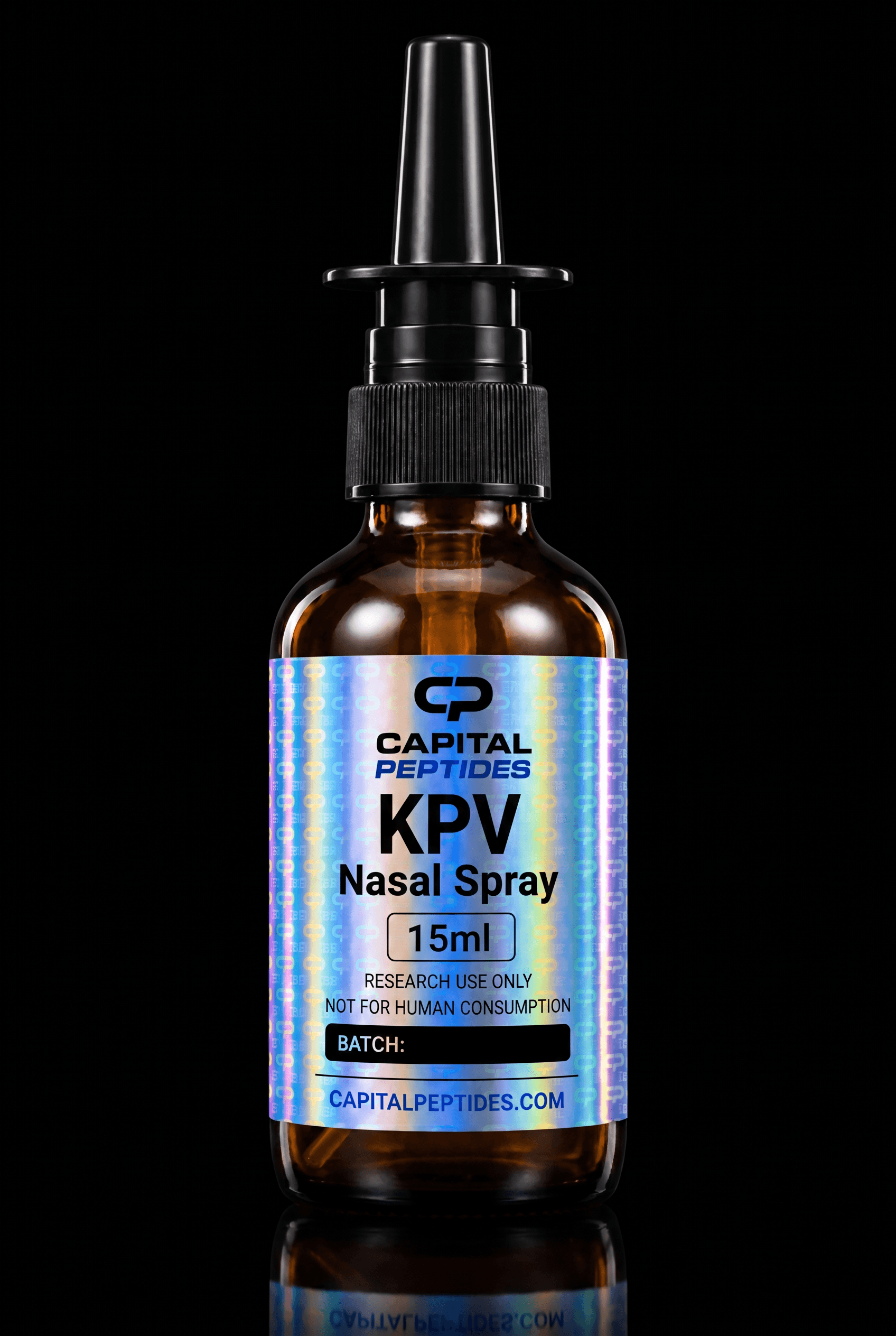
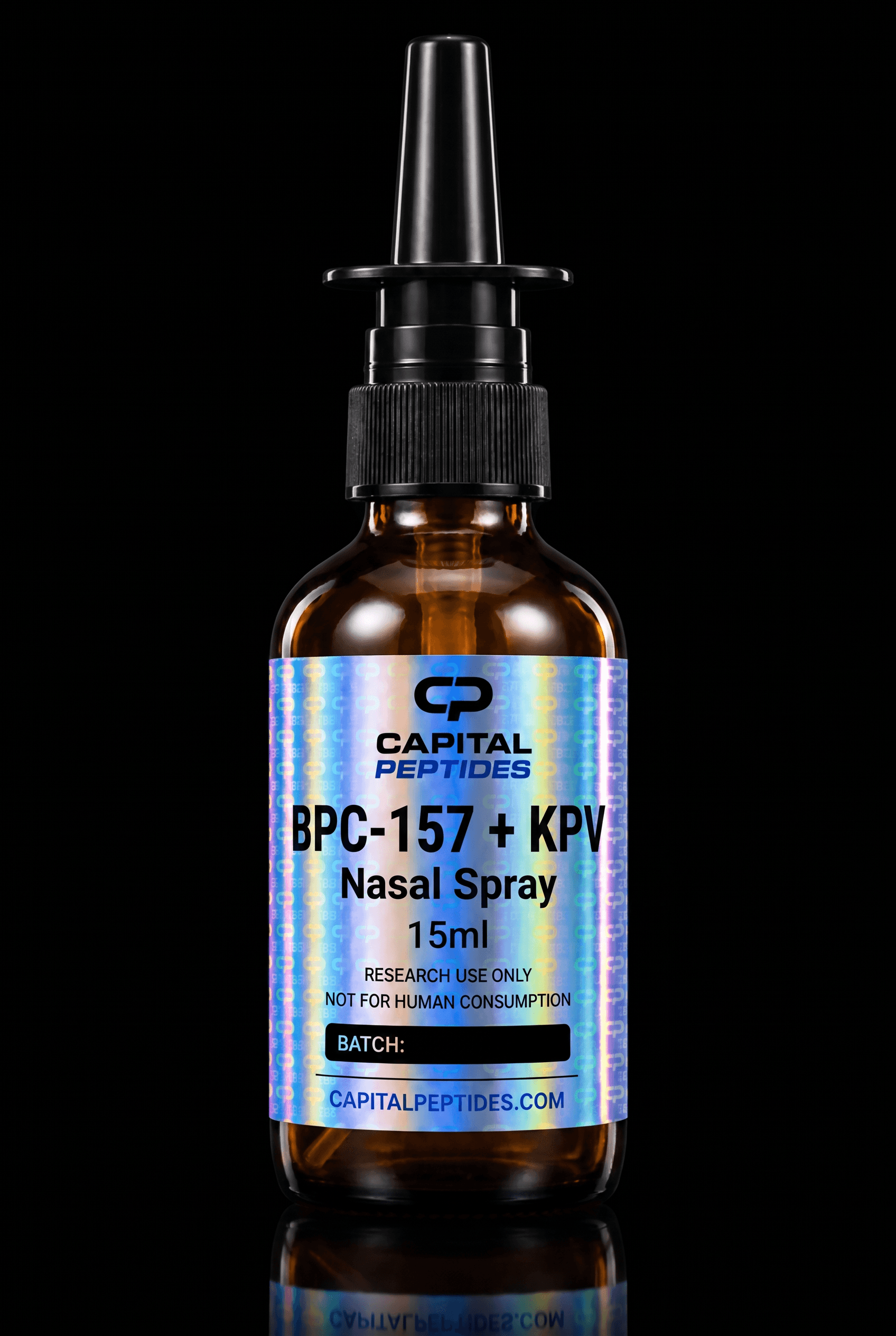
Product image is a representation — actual packaging and label may vary.
Nasal Sprays · 7ml
🕐 Pre-order — ships from 31 August 2026
This product is pre-order only right now. Your order will be dispatched once stock arrives on 31 August 2026.
$106
AUD · 1 pack
Flat rate · ships with your order
KPV is a natural tripeptide studied in preclinical research for its anti-inflammatory, antimicrobial, and wound-healing properties. Research has examined its potential to regulate immune response, combat pathogens including Staphylococcus aureus and Candida albicans, and accelerate skin cell repair and collagen production. Studies have also explored its role in inflammatory bowel disease management and post-surgical recovery.
Chemical Properties
Research Use Only — Disclaimer
These consumable supplies are intended solely for use in research and laboratory settings. All items are sterile and individually packaged for professional handling. BAC water is for peptide reconstitution purposes only and is not intended for injection without appropriate professional supervision. Not for human or animal consumption in any form.
KPV
Lys-Pro-Val
KPV is a synthetic tripeptide (Lys-Pro-Val) comprising the C-terminal amino acids 11-13 of alpha-melanocyte-stimulating hormone (α-MSH). It represents the smallest biologically active fragment of α-MSH that retains anti-inflammatory activity, making it of interest as a more stable and lower-molecular-weight alternative to full-length α-MSH for inflammatory conditions.
KPV interacts with melanocortin receptors — particularly MC1R and MC3R on immune cells and intestinal epithelium — downregulating NF-κB activation and reducing transcription of pro-inflammatory mediators including TNF-α, IL-1β, IL-6, and IL-8. Notably, KPV also appears to act intracellularly and at the nucleus independently of surface receptor engagement. In intestinal epithelial models, KPV crosses the apical membrane to act directly within colonocytes — a mechanism distinct from typical receptor pharmacology.
Preclinical research has focused on KPV in models of inflammatory bowel disease (experimental colitis), skin inflammation (contact dermatitis), and wound healing. Topical KPV has demonstrated efficacy in reducing skin inflammation in mouse models. Its small size facilitates mucosal absorption, making oral and topical routes viable for gut and skin applications respectively. Anti-microbial properties have also been described in some pathogen challenge models.
Key References
For research reference only. All information pertains to preclinical or published human trial data. Not intended as medical advice. This product is for research use only.